Tips for Choosing a Dune Buggy in Dubai
Understanding What to Look For
Dubai’s desert landscape offers some of the most exciting off-road terrain in the world. For anyone planning to explore these golden dunes, a dune buggy is a popular choice. But with so many options available, picking the right one can feel overwhelming. The key is to focus on a few practical factors that make a real difference in safety, comfort, and enjoyment. This guide walks through the main considerations in a clear order, so you can make a confident decision.
Step 1: Know Your Terrain and How You Plan to Ride
The first thing to think about is where you intend to drive. Dubai’s desert features everything from soft, rolling dunes to hard-packed gravel flats. Some areas have steep dune slopes that require a buggy with good power and stability, while flatter trails demand less from the vehicle. If you are a beginner, you might prefer a buggy that handles sandy terrain gently. More experienced riders may want something that can tackle steeper inclines without losing traction. Knowing this helps narrow down the type of buggy that suits your skill level and the kind of adventure you want.
What to Watch For
Check whether the buggy is designed specifically for sand. A standard off-road vehicle might not perform well in deep sand. Look for models that mention sand tyres or dune-ready features. Also consider how many passengers you need to carry. Two-seaters are common, but some buggies can take four people. The size of the buggy affects its maneuverability on narrow trails and its ability to climb dunes.
Step 2: Check the Safety Features
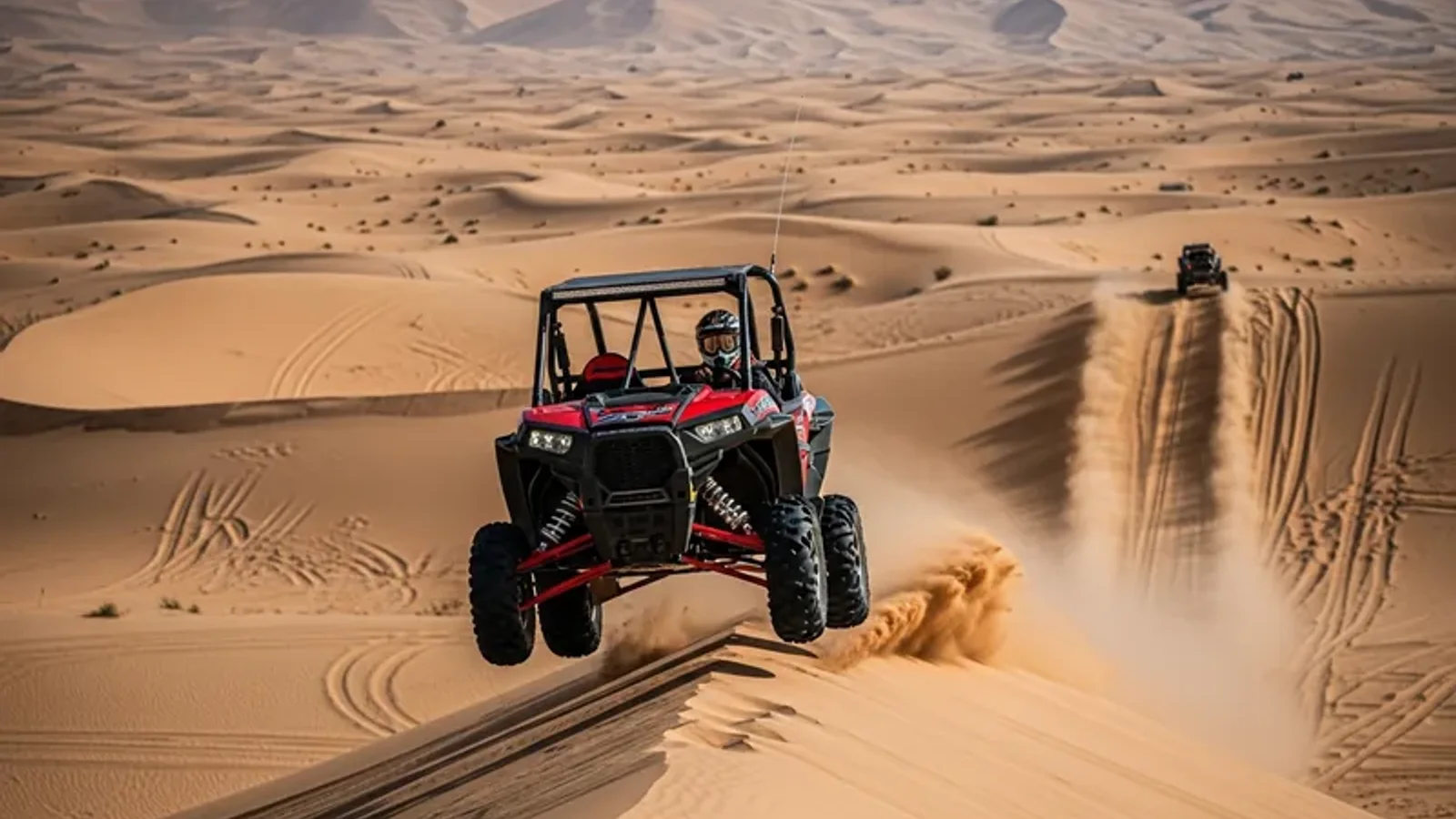
Safety should never be an afterthought when choosing a dune buggy. The desert can be unpredictable, and a well-equipped buggy helps protect you in case of a roll or a sudden stop. The most important safety element is a strong roll cage. This metal frame surrounds the driver and passengers, keeping them safe if the buggy tips over. A roll cage should be made of sturdy steel or aluminum and should not have any sharp edges or weak joints.
What to Watch For
Examine the safety harness. A good harness holds you securely in your seat during rough rides. Look for a five-point harness rather than a simple lap belt. It should be adjustable and comfortable. Also check that the buggy has a fire extinguisher mounted within easy reach. Some rental companies provide helmets, but it is worth confirming this before you book. If you are renting, ask about the age and condition of the safety gear. A reputable operator will maintain their equipment well.
Step 3: Evaluate the Engine and Cooling System
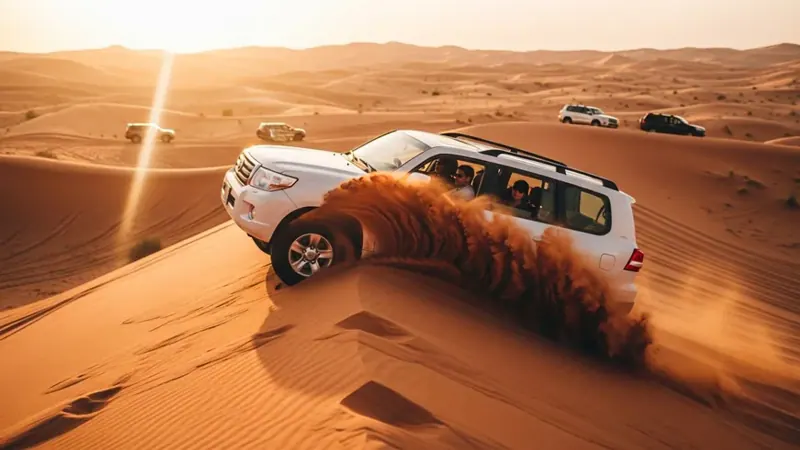
The engine is the heart of any dune buggy. In Dubai’s heat, engine cooling becomes especially important. Buggies that run for long periods in hot sand can overheat if they lack proper ventilation or a reliable cooling system. Most dune buggies use either a petrol or diesel engine. Petrol engines are lighter and often quicker, while diesel engines offer more torque for climbing dunes. Your choice depends on personal preference and the kind of ride you want.
What to Watch For
Ask about the engine’s power output in horsepower or kilowatts. A buggy with too little power may struggle on steep dune slopes, while one with too much can be difficult to control for a beginner. Also look for signs of good engine cooling, such as an efficient radiator or a fan system. A buggy that has been used extensively in the desert without proper maintenance may have cooling issues. If you are renting, ask how often the buggy is serviced and whether the cooling system is checked regularly.
Step 4: Inspect the Tyres and Suspension
Sand tyres are specially designed to float on top of loose sand rather than dig into it. They are wider than standard tyres and have a unique tread pattern that provides grip without sinking. The suspension system also matters a lot. A buggy with good suspension absorbs the bumps and dips of off-road trails, making the ride more comfortable and reducing fatigue on long drives.
What to Watch For
Check the tyre pressure. For sand driving, lower pressure increases the tyre’s surface area and improves flotation. Some buggies allow you to adjust tyre pressure easily, which is a useful feature. Also look at the suspension travel. A buggy with longer suspension travel handles bigger dunes and rougher trails better. If you are renting, ask whether the buggy has been fitted with sand-specific tyres or standard all-terrain ones. The latter can work on packed sand but may struggle in soft dunes.
Step 5: Consider the Buggy’s Weight and Size
A buggy’s weight affects how it moves on sand. Heavier buggies tend to sink more in soft sand, while lighter ones glide over it. However, lighter buggies may feel less stable at high speeds or on uneven ground. The size of the buggy also determines how easy it is to transport and store. If you plan to bring your own buggy to the desert, consider whether it fits in your vehicle or trailer. Rental buggies are usually stored on-site, so size is less of an issue for renters.
What to Watch For
Ask about the buggy’s dry weight and how it performs on different sand types. Some buggies are built with a lower centre of gravity for better stability. If you are a larger rider, check the weight capacity of the buggy to ensure it can carry you and any passengers safely. Also think about how easy it is to get in and out of the buggy, especially if you have mobility concerns.
Step 6: Look Into the Rental Company’s Reputation
If you are not buying a buggy, the rental company you choose makes a big difference. A good company maintains its fleet well and provides clear safety instructions. They should also offer a briefing on how to operate the buggy and what to do in an emergency. While you cannot control the desert conditions, a reliable operator ensures the vehicle is in good working order.
What to Watch For
Read reviews online or ask for recommendations from people who have done a desert safari in Dubai. Look for comments about the condition of the buggies, the friendliness of the staff, and whether safety gear was provided. Avoid companies that seem to rush through the briefing or that offer prices that seem too good to be true. A low price might mean older buggies with less maintenance. It is always worth confirming with whichever business you choose what their safety procedures are and what is included in the rental.
Step 7: Understand the Rental Agreement and Insurance
Before you sign anything, read the rental agreement carefully. It should state what you are responsible for in case of damage, whether there is a security deposit, and what the cancellation policy is. Some companies include basic insurance, while others offer optional coverage for a fee. Knowing this upfront prevents surprises later.
What to Watch For
Check if the agreement mentions any restrictions, such as no driving after dark or limits on where you can take the buggy. Some companies require you to stick to marked trails or a designated area. Also ask about the fuel policy. Some rentals come with a full tank and expect you to return it full, while others include fuel in the price. Clarify these details before you pay.
Step 8: Test the Buggy Before You Commit
If possible, take a short test drive before your main ride. This lets you feel how the buggy handles and whether the controls are comfortable for you. Pay attention to the steering, brakes, and acceleration. A buggy that feels loose or unresponsive might have mechanical issues. Also listen for unusual noises from the engine or suspension. A well-maintained buggy should run smoothly without rattles or squeaks.
Dune Buggy & Quad Biking Dubai is also on Instagram.
What to Watch For
During the test drive, try a few basic maneuvers: turning sharply, accelerating on a flat surface, and braking gently. If the buggy has a manual transmission, check that the gear shift is smooth. For automatic buggies, ensure the throttle responds without delay. Do not hesitate to ask the operator about any concerns you notice. A good company will be happy to explain or adjust the buggy.
Step 9: Prepare for the Desert Environment
Even with the right buggy, the desert demands respect. Bring plenty of water, wear sunscreen, and dress in light, long-sleeved clothing to protect from the sun. A hat and sunglasses are also useful. If you are riding in a group, agree on hand signals or a communication plan in case you get separated. Also let someone know your planned route and expected return time.
What to Watch For
Check the weather forecast before you go. Strong winds can create whiteout conditions that make it hard to see. Rain, though rare, can turn sand into mud and make driving dangerous. If you are new to the area, consider joining a guided tour. Many operators include a guide who knows the terrain and can help if something goes wrong. One local option is Dune Buggy & Quad Biking Dubai, which offers buggy rentals in the Palm Jumeirah area. It is always worth confirming with whichever business you choose what safety briefings and support they provide.
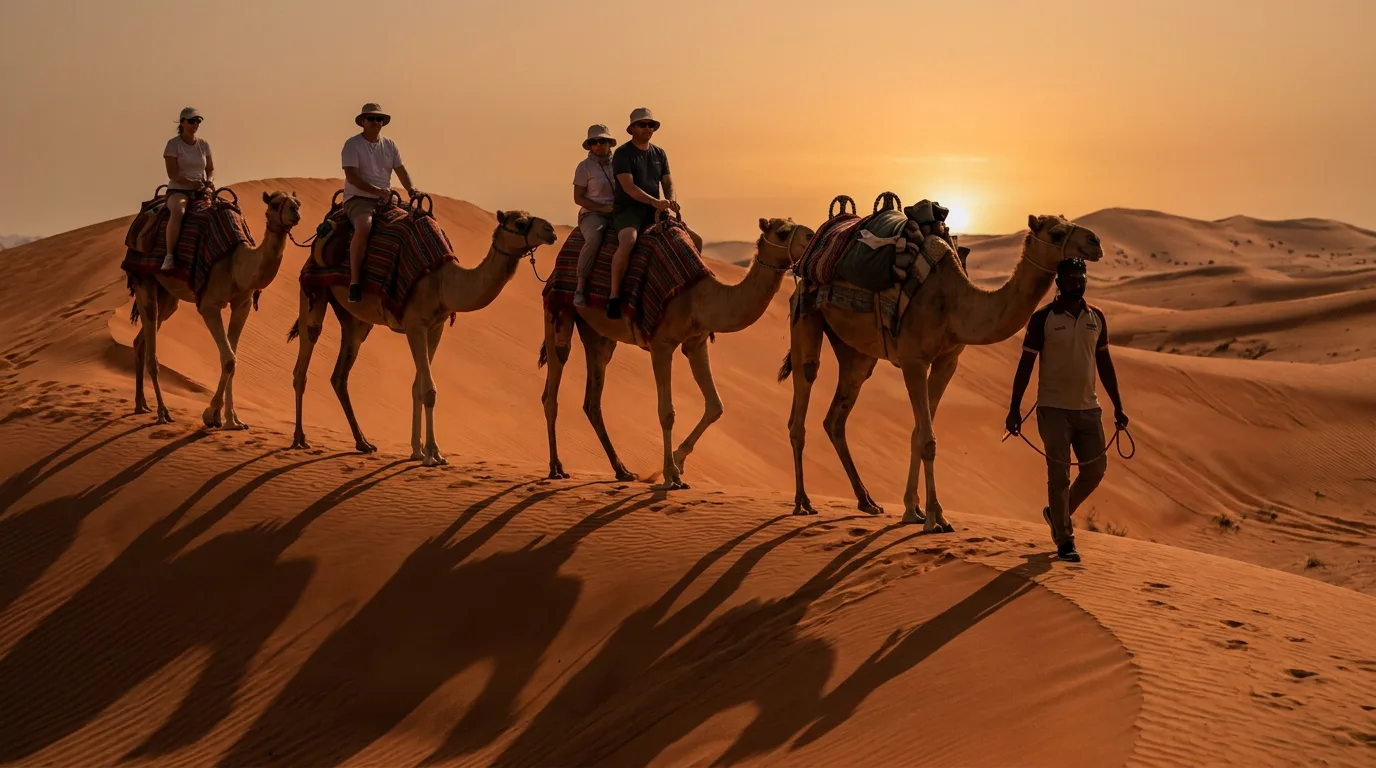
For those who also enjoy a different kind of desert vehicle, the phrase "quad dubai" often comes up when searching for quad bike rentals. These four-wheeled bikes are another fun way to explore the dunes, and many operators offer both buggies and quads. If you are considering a quad, remember that they require a different riding technique and balance. The same principles of checking safety features, engine condition, and operator reputation apply. One use of the phrase "quad dubai" appears in this paragraph as a natural part of the discussion about alternative vehicles.
Whether you choose a buggy or a quad, the desert offers an unforgettable experience. The key is to do your research, ask the right questions, and never compromise on safety. By following these steps, you can find a dune buggy that matches your skill level, your budget, and the kind of adventure you are looking for.
For more information, you can contact Dune Buggy & Quad Biking Dubai at Nakheel Mall Palm Jumeirah - Nakhlat Jumeira - Dubai - United Arab Emirates, phone +971 50 496 8087.